
I was once asked, “If you don’t have HIV, are not gay, and don’t do drugs, why are you involved in this work?” My response was “why would I have to be any of those individuals to care for someone living with HIV?” Granted, I also made a point to never again interact with the person who asked me that question. And I could have talked about having a cousin dying from complications of AIDS in the early 90s, training in a large urban safety net hospital and seeing medical teams dehumanize persons presenting with AIDS-related illnesses, or the numerous boards I have sat on to understand policies related to HIV that could have the same positive OR negative impact as many of the other chronic illnesses encumbering under-served, under-resourced, or marginalized communities.
That has been the background by which I served the Atlanta and Georgia community for almost 10 years in various capacities, finally believing with the foundations I helped lay, helping to mentor individuals, and advances I have witnessed that the HIV/AIDS community was in a good place. We had PrEP, U=U, increasing openness about gender identity and sexual preferences, harm reduction policies being introduced, and even in a fraught political climate, a roadmap to ending the epidemic. I was able to turn my attention to other community-driven work in metro Atlanta and the state of Georgia.
That belief, however, turned out to be short-lived. First, the COVID-19 pandemic fractured this country’s healthcare and mental health infrastructure, two key pillars to reducing HIV infections and improving high quality care for those living with HIV. An absence of equitable HIV/AIDS policy at local, state, and national levels is also a clear and present danger to those at greatest risk for infection and difficult to reverse. I also recognize the canary of increasing congenital cases of syphilis to subsequent rise in cases of HIV in the coal mine of sexual behaviors. And now there is a social media ecosystem that can be equally harmful and reaffirming at the same time.
So here I am, weaving my past and my present to create a new future. I can no longer “be in these streets” as many hear me say advocating for the uninsured and under-served around high blood pressure, diabetes, and not include HIV and PrEP. I must now return to the fold of educating health professionals about intersectionality of policy, social determinants of health, and outcomes for health issues such as HIV. I must travel to the state and introduce an integrated approach to addressing the physical, mental, and sexual health of an individual and community, to help people understand that to be whole means being well in all three aspects of their lives.
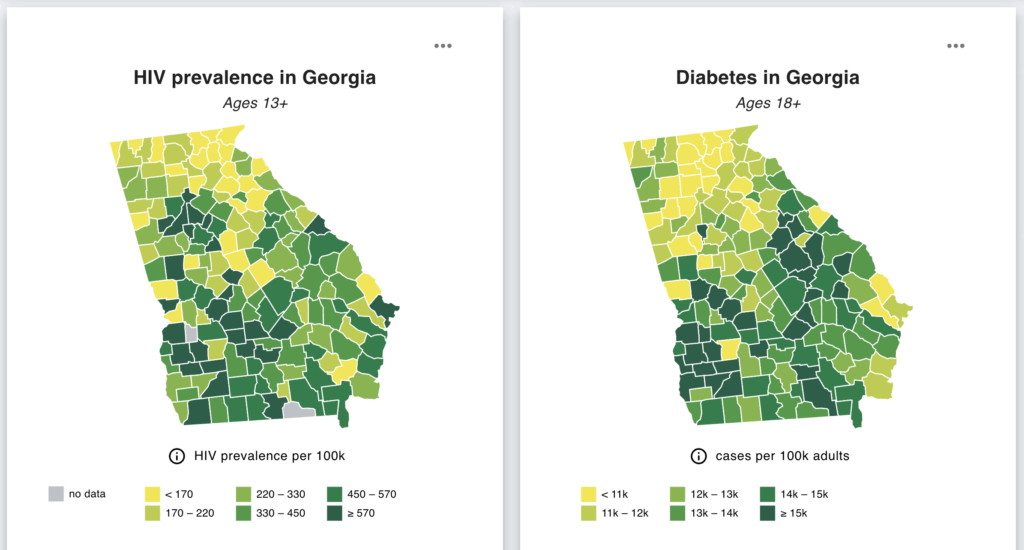
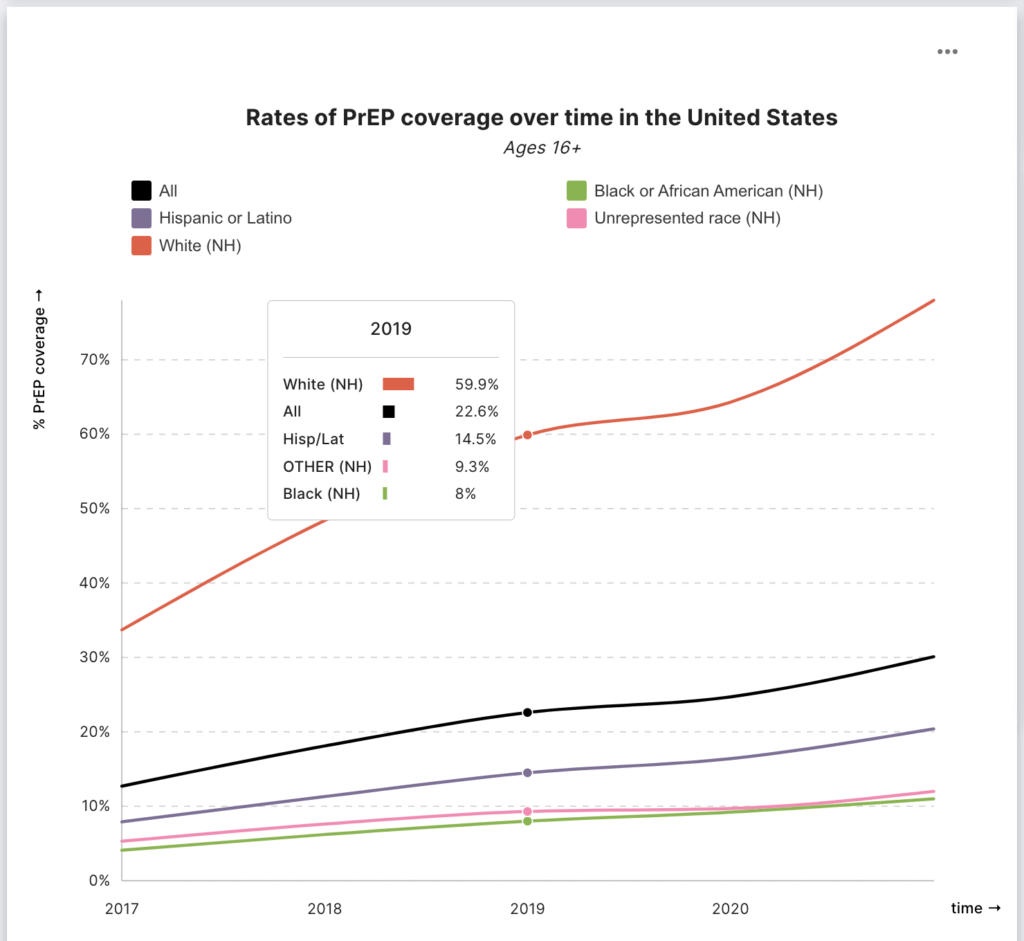
So, it was not that I left. I just had to find a few more ways to answer the question, “why do I do this work?”
---
By Christopher Ervin, MD
Director, Community-Based Health Initiatives
Assistant Professor, Department of Family Medicine
Assistant Professor, Department of PA Studies
Morehouse School of Medicine
Awareness
Advocacy
Mental and Behavioral Health
COVID-19
Health Equity
HIV
Policy Impact
Social Determinants of Health
Black HIV
Sexual Health
PrEP and PEP
Physical Health
Diabetes
.jpg)