
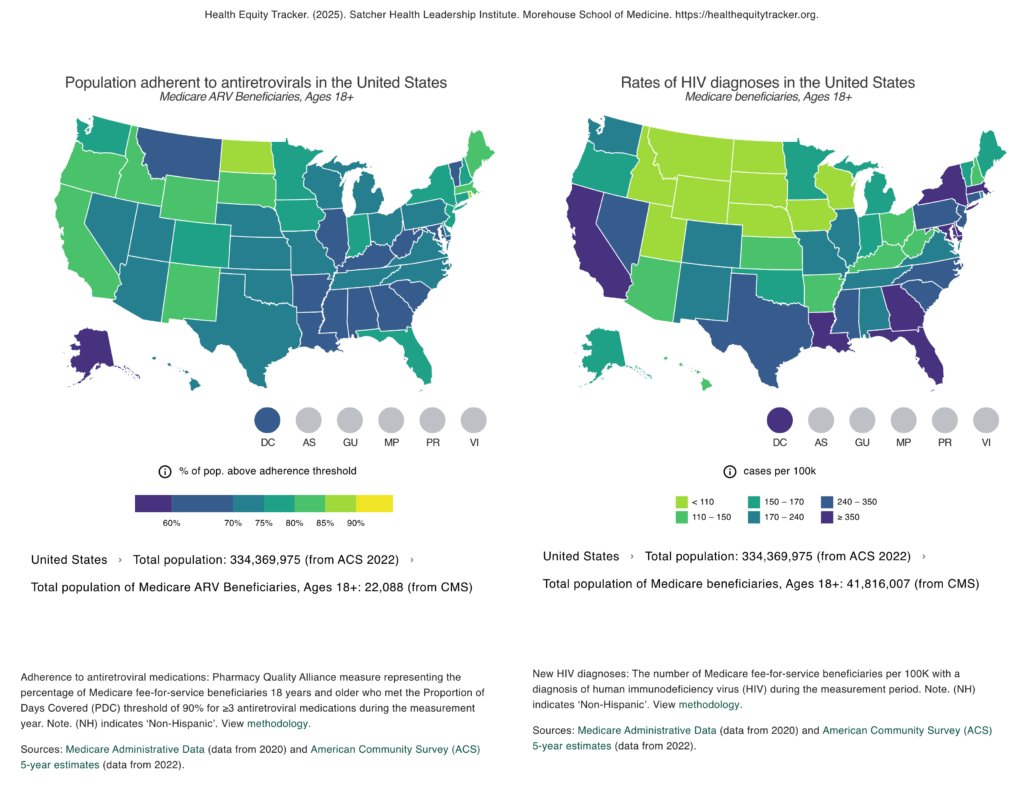
The HIV/AIDS crisis has shaped medicine, policy and advocacy, forcing professionals to adapt to scientific advancements, shifting funding and evolving social attitudes.1 As we navigate the current economic, social and political landscape, lessons from the HIV/AIDS crisis offer guidance for addressing uncertainties in health care and beyond. Hence, adaptability and continuous learning remain crucial. While advances in antiretroviral therapy (ART) have improved health outcomes, healthcare professionals and patients have a responsibility to stay informed and engaged.2
Networking continues to be vital, alongside collaborations that will secure funding and expand treatment access.3 Healthcare professionals should build interdisciplinary connections while urging their patients to seek continued benefits from peer support groups and advocacy organizations.4 Patients can also take proactive steps by staying informed about evolving treatment options, advocating for policy changes and utilizing community resources to ensure healthcare access.5 Additionally, engaging with digital health tools and telemedicine further enhances their ability to manage care effectively.6
Financial preparedness is also essential amid funding instability.7 Diversifying income and staying informed about financial trends help ensure stability. Mental health care is equally critical, as the provision and acceptance of HIV/AIDS care involves stigma and emotional strain.8 Prioritizing self-care, seeking counseling and fostering a supportive work environment can help healthcare professionals manage stress. Patients should also prioritize their mental well-being by accessing therapy, joining support groups and practicing self-care strategies to mitigate stress related to their diagnosis and treatment.9
Notably, career agility and technological integration are increasingly essential for healthcare providers and their patients. Professionals must adapt to policy shifts, update skills and embrace digital health solutions.10 Patients can also leverage telehealth, digital tracking tools and medical innovations to enhance healthcare management.11
Ensuring consistent access to medications, understanding health insurance policies12 and seeking flexible work options can help patients maintain both their health and career stability.13 The HIV/AIDS crisis underscores the importance of resilience, adaptability and innovation. By applying these strategies, professionals and patients can navigate uncertainty and contribute to advancements in public health. Staying informed and proactive is more crucial today than ever.
References
1. World Health Organization. HIV and AIDS: Key facts. World Health Organization. February 17, 2025. https://www.who.int/news-room/fact-sheets/detail/hiv-aids.
2. Trickey A, Sabin CA, Burkholder G, et al. Life expectancy after 2015 of adults with HIV on long-term antiretroviral therapy in Europe and North America: a collaborative analysis of cohort studies. The Lancet HIV. 2023;10(5):e295-e307. doi:10.1016/S2352-3018(23)00028-0
3. Del Rio C, Armstrong WS. Policy and advocacy for the HIV practitioner. Top Antivir Med. Sep 2018;26(3):94-95.
4. Iryawan AR, Stoicescu C, Sjahrial F, Nio K, Dominich A. The impact of peer support on testing, linkage to and engagement in HIV care for people who inject drugs in Indonesia: qualitative perspectives from a community-led study. Harm Reduct J. Feb 11 2022;19(1):16. doi:10.1186/s12954-022-00595-8
5. Someone Cares IoA. Compassionate Care at Someone Cares: Why It’s Essential for Those Living with HIV/AIDS. Someone Cares, Inc. of Atlanta. February 17, 2025. https://s1catl.org/role-of-compassionate-care-for-those-living-with-hiv-aids/
6. Madanian S, Nakarada-Kordic I, Reay S, Chetty Th. Patients’ perspectives on digital health tools. PEC Innovation. 2023/12/01/ 2023;2:100171. doi: https://doi.org/10.1016/j.pecinn.2023.100171
7. DiCarlo MC, Dallabetta GA, Akolo C, et al. Adequate funding of comprehensive community-based programs for key populations needed now more than ever to reach and sustain HIV targets. J Int AIDS Soc. Jul 2022;25(7):e25967. doi:10.1002/jia2.25967
8. Nabunya P, Namuwonge F. HIV-Related Shame, Stigma and the Mental Health Functioning of Adolescents Living with HIV: Findings from a Pilot Study in Uganda. Child Psychiatry Hum Dev. Dec 2023;54(6):1771-1778. doi:10.1007/s10578-022-01374-z
9. Silver N. 6 Ways to Support Your Mental Health with HIV. Healthline Media LLC. https://www.healthline.com/health/hiv/support-your-mental-health#takeaway
10. World Health Organization. Global strategy on digital health 2020-2025. 2021. https://apps.who.int/iris/bitstream/handle/10665/344249/9789240020924-eng.pdf
11. Gliead. H I V in the time of COV I D -1 9: Improving HIV Care with Telehealth. 2021. Gliead. https://www.gilead.com/-/media/files/pdfs/other/1p-improving-hiv-care-with-telehealth.pdf
12. Buchmueller T, Whitman A, Peters C, De Lew N. Improving Access to Affordable and Equitable Health Coverage: A Review from 2010 to 2024. 2024:26. https://aspe.hhs.gov/sites/default/files/documents/9376755db2480ad7288aaa5ec38f3d8c/improving-access-to-coverage.pdf
13. Maurer R. Flexible Work Options in Health Care Can Result IN a Win -Win. Society for Human Resource Management 2016. https://www.shrm.org/topics-tools/news/flexible-work-options-health-care-can-result-win-win
Mental and Behavioral Health
HIV
Policy Impact
Medication Adherence
Awareness
Black HIV
PrEP and PEP


.jpg)