For decades, the Human Immunodeficiency Virus (HIV) has been deemed as the “Gay” Disease due to its prevalence in the LGBTQIA+ community1. This misconception has led to the spread of misinformation and dangerous stereotypes that place many members of the LGBTQIA+ at risk. With the Black community having the highest prevalence rate in the United States2, these misconceptions have bled over into how the community responds to HIV prevention, treatment, and intervention.

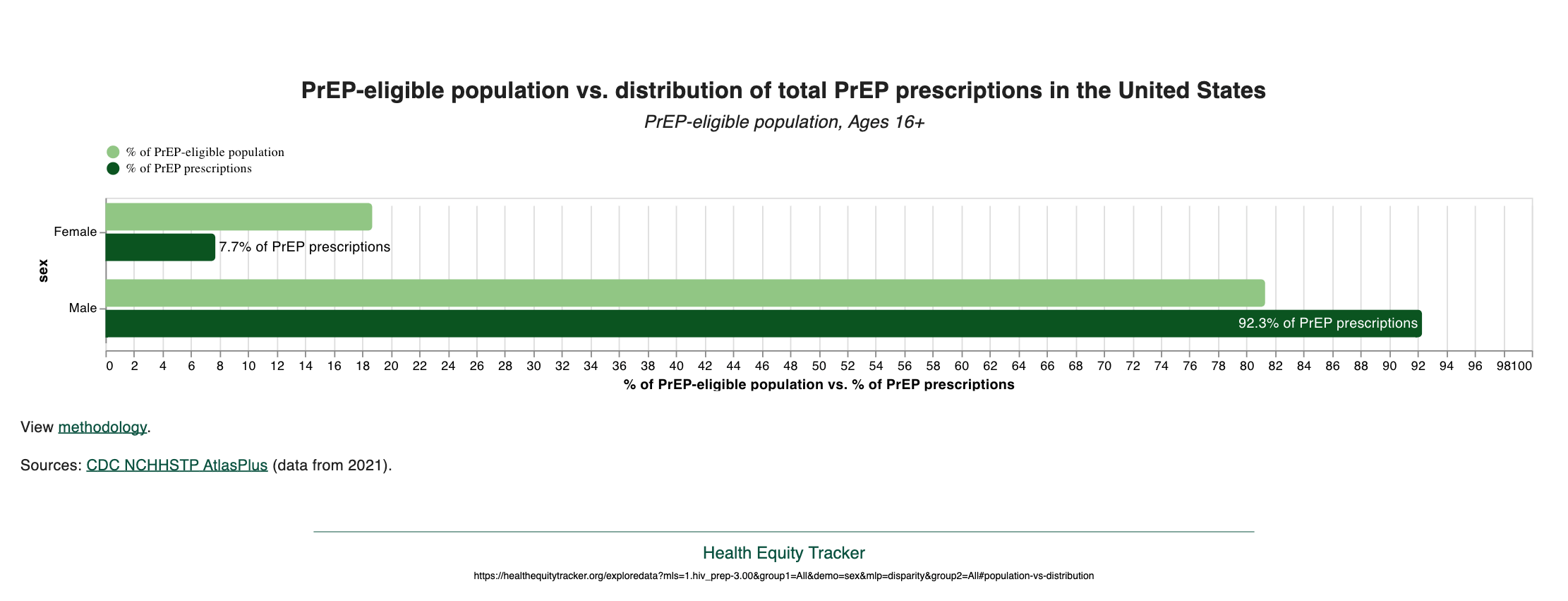
This misconception has had and will continue to have a detrimental impact on women in the Black community since they are not the focus of preventative measures or medical care. Black women are disproportionately impacted by HIV, since they account for about 54% of new HIV infections in American women but only make up less than 15% of the female population3. This infection rate is not seen in Black women who identify within strictly homosexual relationships but rather 91% of these cases started from heterosexual contact. With this statistic in mind, we must begin to think of HIV as a Sexually Transmitted Infection (STI) that can happen to anyone no matter their sexual orientation and focus on getting people the help they need.
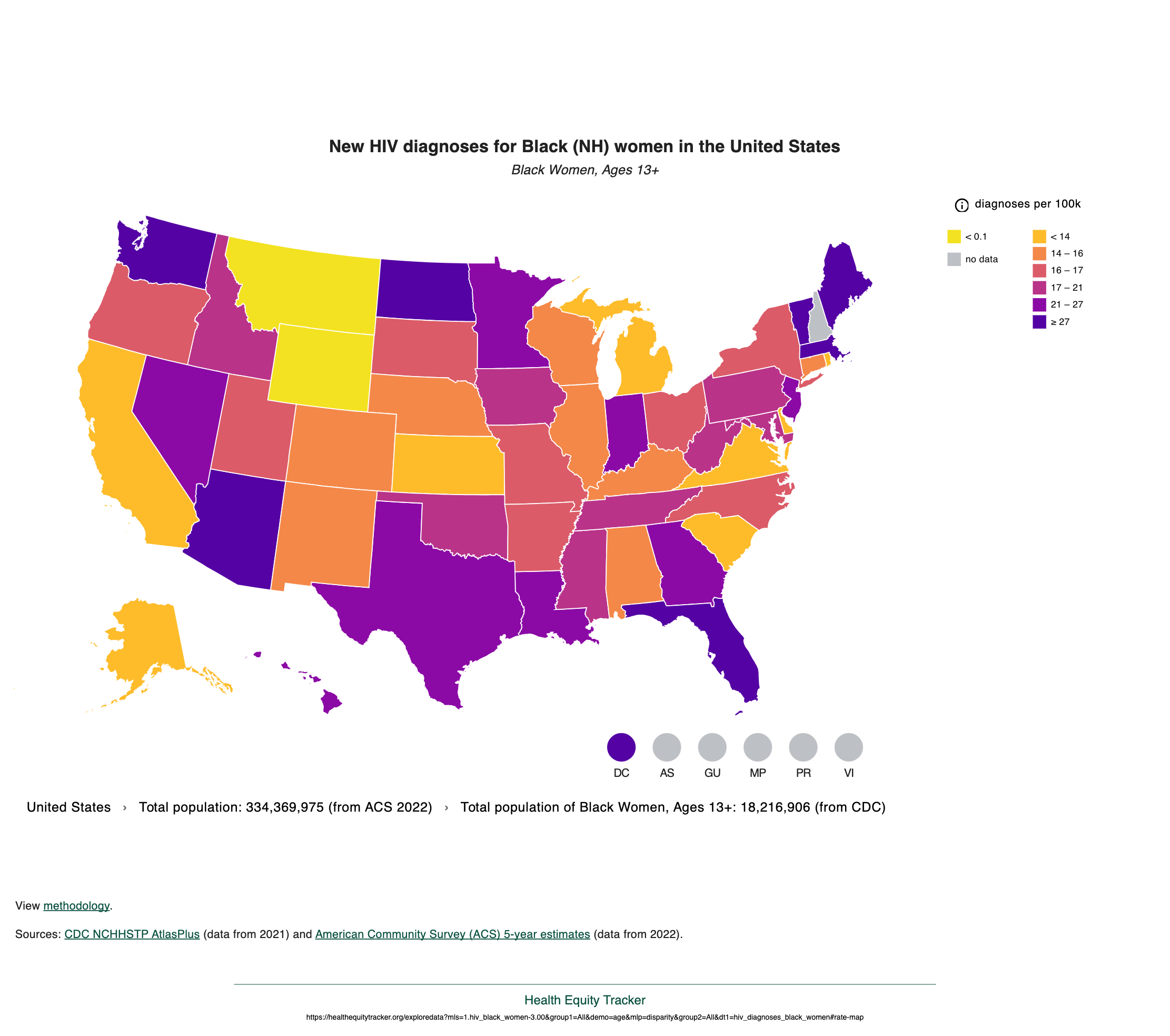
This can be seen in how preventative measures are being utilized within the US. According to the Centers for Disease Control and Prevention (CDC), the new national estimate in 2018 showed that about 1.1 million Americans overall are at substantial risk for HIV and should be offered PrEP. However, only 90,000 PrEP prescriptions were filled in commercial pharmacies in the year that they studied5. Among all PrEP users in the U.S. in 2021, 92% were male and only 8% were female, even though women comprised 18% of new HIV diagnoses3. Statistics are even lower for the Black community. In the same CDC study, it was shown that approximately 500,000 Black people who could potentially benefit from PrEP were identified but only 7,000 prescriptions had been filled. This raises many issues regarding how information is being disseminated into this community and how we reach people in need. With Pride festivities ongoing, and efforts to continue pushing forward with Ending the Epidemic, we must create messages that are more inclusive when it comes to HIV prevention, education, and intervention so that we can reach more of those in need in other communities.
For more information on black women and PrEP, please visit: https://blackaids.org/campaign/black-women-and-prep/
Sources:
1. https://www.hrc.org/resources/debunking-common-myths-about-hiv
2. https://www.cdc.gov/hiv/group/racialethnic/africanamericans/index.html
3. https://aidsvu.org/resources/deeper-look-hiv-in-black-communities/
4. https://www.cdc.gov/nchhstp/newsroom/2018/croi-2018-PrEP-press-release.html
Editor’s Note: To learn more about this data and how HIV affects your state and your community, click any of the chart images above, or visit our “Explore the Data” page.
Awareness
Black Women
Health Equity
HIV
Black HIV
LGBTQIA+
.jpg)