
The dawning of 2024 is a critical time for acknowledging and supporting people living with HIV, remembering those who have died, raising awareness about the virus, and providing useful prevention educational tools. Let us also not forget about the significance of mental and emotional health.
Despite decades of research, interventions, and prevention approaches, women of color – who have consistently been excluded from meaningful discussions – still face the stigma of being perceived as hyper-sexual and immoral (Stabb, 2023). Moreover, Black women face higher rates of HIV transmission, which may be linked to social determinants of health such as limited access to health care and economic disparities (Rutledge, 2023). These issues may be further complicated by their impacts on mental health, the need for comprehensive support systems, inaccessibility of culturally sensitive care, and negativity about addressing broader societal issues that could improve health outcomes (Wright et. al., 2022; Sophus, 2021; Dale et.al, 2021).

Mental health is the successful performance of mental function, resulting in productive activities, fulfilling relationships with other people, increased adaptability to change, and improved capacity for coping with adversity from early childhood until late life. Mental health is a springboard of thinking and communication skills, learning, emotional growth, resilience, and self-esteem. Managing one’s mental health can be particularly challenging if they are living with HIV/AIDS (Rafiei et.al., 2023; Sander et.al., 2023). Nevertheless, all individuals can benefit from managing stress and practicing self-care to encourage optimal health and wellness. Some helpful approaches are indicated below.
Personal Strategies to Reduce Stress
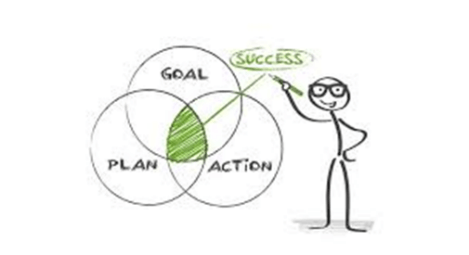
Develop Action-Oriented Plans
- Alter/remove stressors.
- Learn to recognize and/or anticipate your potential stressor(s).
- Remove yourself from stress inducing situations if feasible.
- Take organizational/political/social action to manage your environment.
- Build up conflict resolution and communication skills.
- Life path planning (e.g., set priorities).
- Manage your time wisely.
Reduce Individual Vulnerability & Build Resistance
- Develop self-exploration/self-awareness to rework attitudes, beliefs, and negative self-talk.
- Talk to trusted individuals who can offer varying perspectives on life issues.
- Increase self-confidence and assertiveness skills.
- Improve social support networks that have a positive influence on you.
Reduce the Impact of Stress Reactions
- Recognize stress symptoms and their causes.
- Modify negative self-talk and self-criticism.
- Learn and use calming techniques.
- Give priority to self-renewal activities.
- Be willing to seek professional help and other support.
Personal Strategies to Reduce Anxiety

- Practice mindfulness and relaxation techniques.
- Engage in self-monitoring.
- Practice prayer, spiritual fellowship, and meditation, if relevant to you.
- Seek out social support – talk with friends and family.
- Exercise and eat well.
- Get enough sleep.
- Keep a journal.
- Have a “me” place that you can go to.
- Establish attainable goals.
- Begin small and build up to larger challenges.
- Accept that it’s okay to make a mistake.
- Accept situations and move on.
- Deal with conflicting issues directly (try not to avoid problems).
- Identify triggers of anxiety.
Personal Strategies that Promote Self Care

- Develop positive thinking and visualization.
- Explore ways to enhance your sense of self.
- Practice positive reinforcement of actions.
- Take action to stop self-destructive/defeating behaviors.
- Engage in pleasurable activities.
- Maximize the use of positive role models.
- Use realistic thinking.
- Be resilient.
References
Dale, S. K., Reid, R., & Safren, S. A. (2021). Factors associated with resilience among Black women living with HIV and histories of trauma. Journal of health psychology, 26(5), 758-766.
Rafiei, S., Raoofi, S., Kan, F. P., Masoumi, M., Doustmehraban, M., Biparva, A. J., … & Ghashghaee, A. (2023). Global prevalence of suicide in patients living with HIV/AIDS: a systematic review and meta-analysis. Journal of affective disorders, 323, 400-408.
Rutledge, J. D. (2023). Exploring the role of empowerment in Black women’s HIV and AIDS activism in the United States: An integrative literature review. American Journal of Community Psychology.
Sander, E. P. R., Holst, J., & Michelsen, K. (2023). Increasing funding for Global Mental Health by drawing lessons from the case of HIV/AIDS. South Eastern European Journal of Public Health.
Sophus, A. I., & Mitchell, J. W. (2021). Reducing HIV risk behaviors among Black women living with and without HIV/AIDS in the US: A systematic review. AIDS and Behavior, 25, 732-747.
Staab, T. M. (2023). Women: The Hidden Victims of the HIV/AIDS Epidemic in the US. Sociology Between the Gaps: Forgotten and Neglected Topics, 8(1), 6.
Wright, I. A., Reid, R., Shahid, N., Ponce, A., Nelson, C. M., Sanders, J., … & Dale, S. K. (2022). Neighborhood Characteristics, Intersectional Discrimination, Mental Health, and HIV Outcomes Among Black Women Living With HIV, Southeastern United States, 2019‒2020. American Journal of Public Health, 112(S4), S433-S443.
Awareness
Black Women
HIV
Black HIV
Mental and Behavioral Health
Health Equity
.jpg)