
HIV criminalization in Louisiana is a heated and complex issue, and it is about time we address it head on.
In Louisiana, it is considered a felony offense to expose someone to HIV without their knowledge or consent, even if no transmission occurs. Originally, the idea was to prosecute intentional and malicious acts of HIV transmission. But the problem is, these laws can also be used in cases where there was no intent to harm, or when the risk of transmission is minimal or non-existent.
These laws perpetuate stigma and fear, making many of us too scared to even get tested, seek treatment, or find the support we need. Instead of creating an environment where we can trust and have open conversations, these laws force us underground and create barriers to accessing crucial healthcare services. The burden of these laws falls heavily on marginalized communities, including people of color and the LGBTQ+ community.
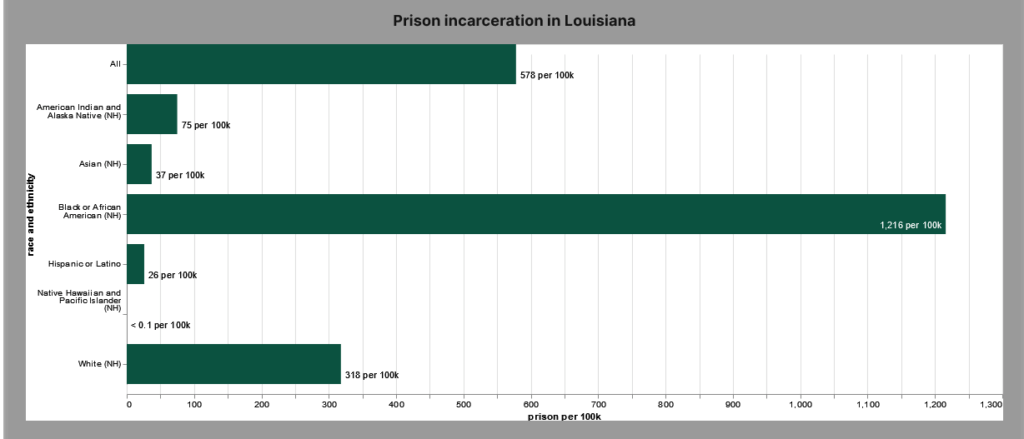
Organizations like the Louisiana AIDS Advocacy Network (LAAN), the Center for HIV Law and Policy (CHLP), and the Louisiana Coalition on Criminalization and Health (LCCH) are working tirelessly to reform these laws and promote fairness and evidence-based practices.
We need to overhaul the way HIV is criminalized in Louisiana. There have been several bills proposed recently, aiming to modernize these laws and bring them in line with current scientific knowledge and public health best practices. Advocates are pushing for an approach that considers intentional transmission separately from cases of reckless behavior or situations with negligible or zero risk of transmission.
The original intention of these laws might have been to protect public health, but the unintended consequences have been devastating. We need a balanced approach that upholds justice while prioritizing evidence-based public health strategies. By reforming HIV criminalization laws, Louisiana can take a major step towards reducing stigma, fostering inclusivity, and ensuring the health and well-being of all its residents. Together, let's fight for a better and more equitable future.
Criminal Justice
HIV
LGBTQIA+

.jpg)